When Does EDC Become Too Expensive?
Check out the full video here.
At What Point Does EDC Stop Being Practical… and Start Being Excessive?
At a certain point in the everyday carry world, you stop paying for pure function. You’re paying for something else entirely.
So how expensive is too expensive? And how do you know when you’ve crossed the line from "prepared" to "overkill"?
Let's break down the illusion of "better gear," what you’re actually paying for, and how to find your own EDC sweet spot.
The Illusion of “Better Gear”
When I first got into EDC, going from the Kershaw Cryo I bought at Walmart to a Spyderco Tenacious (which I also picked up at Walmart) felt like a massive jump in quality.
Before I knew anything about blade steels, knife design, or brand reputation, I could just tell that the Tenacious was the superior tool.
If you aren't familiar with it, the Cryo is an assisted-opening knife that relies on a torsion bar to help the blade fly open. The Tenacious, on the other hand, uses a classic manual detent opening. It’s been so long since I carried that Cryo that I can't remember if it had a detent at all, but I do remember that the torsion bar snapped within months of owning it, completely ruining the flipper mechanism.
That’s why this transition mattered. Moving from a $30 budget knife to a $55–$60 knife felt like night and day.
Yes, both used similar budget-tier steels (honestly, the Tenacious really should come standard with D2, but I digress). The real difference was in the action, the fit and finish, and the durability. The Cryo felt heavy, bulky, and unrefined—and it literally broke on me. The Tenacious was lighter, simpler, and felt agile despite having a larger footprint. It was refined and rugged. The Cryo just felt subpar.
In this case, the upgrade brought massive, tangible benefits for a very small price increase.
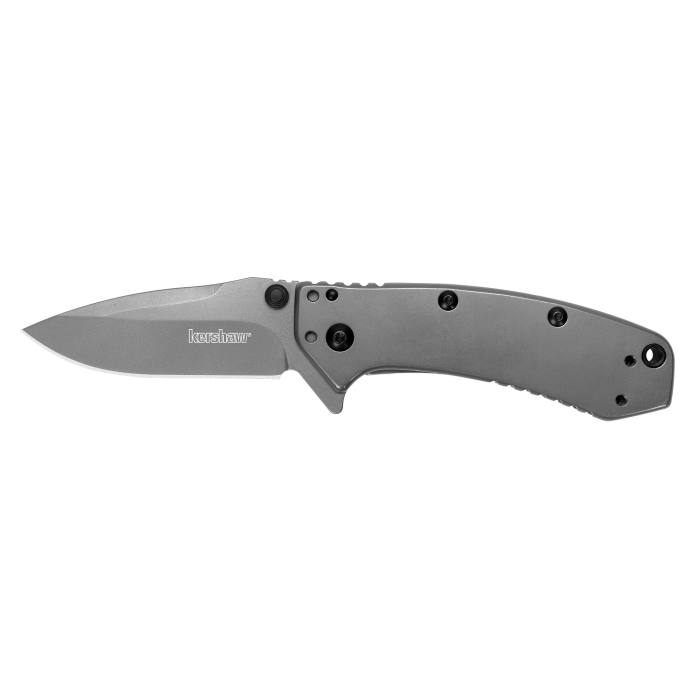
Kershaw Cryo
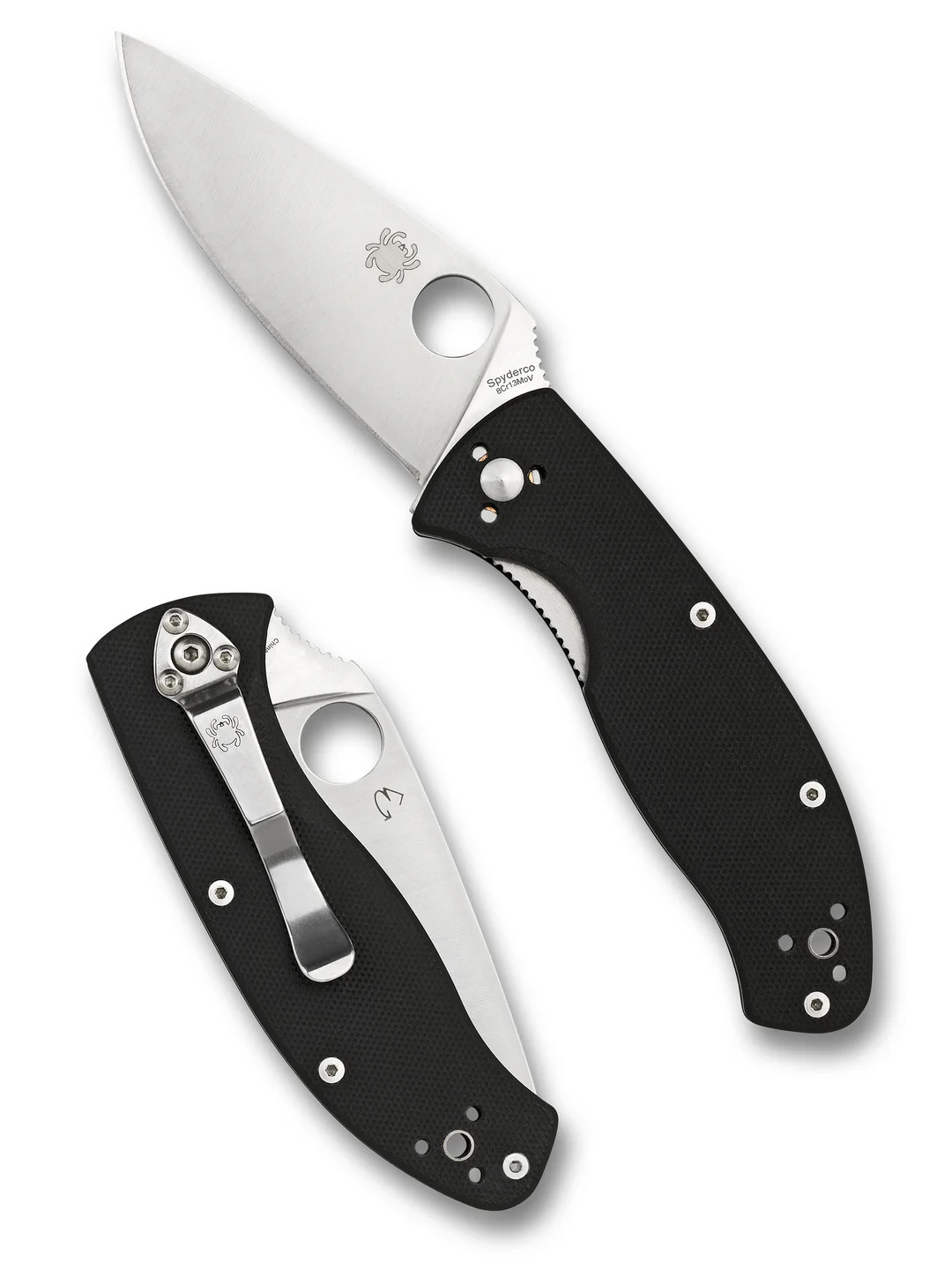
Spyderco Tenacious
The $200 Pivot Point
Naturally, I was bitten by the EDC bug. Soon after buying the Tenacious, I went out and bought a $200 knife on my part-time Walmart salary. Not my finest financial moment, but hey, we all make poor decisions from time to time.
The knife in question? The Kizer Uprising (now discontinued).
What did that extra cash actually get me?
Premium Materials: Upgraded S35VN blade steel and solid titanium handle scales.
Rock-Solid Build: A robust frame lock with a perfectly clean, sturdy lockup.
It felt incredibly premium, but here is the reality: it didn't solve any more practical problems than my Tenacious did. At the time, I worked at Walmart. My primary cutting task was breaking down cardboard boxes (which we technically weren't supposed to use our personal knives for, but don't tell management). Budget 8Cr13MoV steel was perfectly fine for that.
My EDC Philosophy: I am a firm believer that most people living in an urban or suburban environment, who don’t have jobs that demand rigorous cutting, don’t actually need anything more than D2 steel. Sure, super-steels are nice, but they aren't a necessity.
I love titanium, but it’s absolute overkill for most daily tasks. And while a sturdy lock is a safety priority, a simple slip-joint pocket knife probably could have handled my shift work.
You might think I regretted spending that $200, but that couldn’t be further from the truth. While the Tenacious sparked my interest in EDC, the Uprising absolutely fanned the flames. It deeply entrenched me in a community I love. But just because that was my experience doesn't mean it has to be yours.
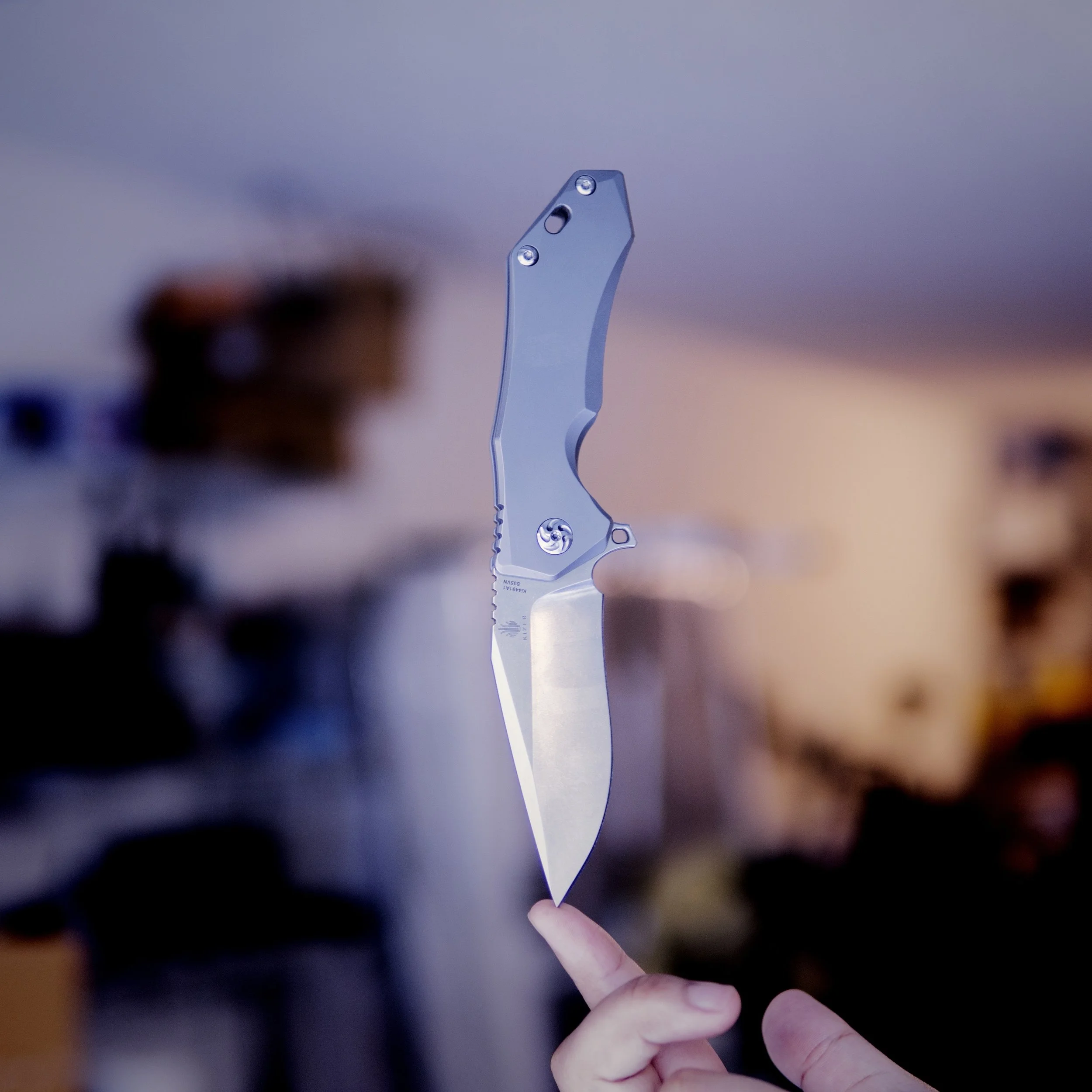
Kizer Uprising
What You’re Actually Paying For
When you buy a knife, flashlight, or pen, there are six main pillars that dictate the price tag:
Materials
The raw cost and scarcity of the material (e.g., machining titanium requires different CNC bits and longer machine times than steel or aluminum).
Fit & Tolerances
Super-tight tolerances with zero blade play or wiggle room require higher manufacturing precision, which drives up costs.
Finishes
Aesthetics matter. Premium finishes like bead-blasted titanium, clean satin grinds, or durable coatings (DLC, PVD, Cerakote) add production steps.
Design & Features
Complex geometry is harder to machine. Features like unique knife locks, dual color temperatures on flashlights, or pens that accept multiple refills complicate production.
Labor & Craftsmanship
Where is it made? Items made in the US or Europe cost significantly more due to labor rates. Hand-finishing, custom heat-treating, and manual quality checks add up fast.
Brand Experience
You're paying for customer service and warranties. Benchmade knives carry a premium price tag, but their Lifesharp warranty is a major part of that cost.
The Three Levels of EDC
To figure out where you fit in the market, it helps to look at gear through the lens of these three distinct levels:
Level 1: Functional Value
The Question: Does it do the job reliably?
The Goal: Low cost and pure practicality are king. This was my Kershaw Cryo phase. It cut things, it was cheap, and if it broke or got lost, it wasn't a tragedy.
Level 2: Quality of Life Value
The Question: Am I getting the best performance for my dollar?
The Goal: You’re looking for better ergonomics, upgraded materials, tighter fit and finish, and a better user experience. This was my Spyderco Tenacious. It felt better in the hand, operated smoother, and lasted longer. Level 2 is the sweet spot for 90% of people.
Level 3: The Optimization Phase
The Question: How does it feel to own and use?
The Goal: You are paying for micro-returns and extreme optimization. Think premium materials, collector appreciation, and slight performance gains that the average user wouldn't even notice. This is where the Kizer Uprising sits—and it's where I personally tend to hang out.
When someone says an item is "too expensive," they usually mean they have Level 2 needs but are looking at a Level 3 product. There's nothing pretentious about it; it’s just a difference in what you want out of your gear.
When Does EDC Become Too Expensive?
The Short Answer: EDC becomes too expensive when you’re paying for performance you don’t use, or value you don’t understand.
You don’t need to be a mechanical engineer to appreciate a good knife, but the more important a tool is to your daily life, the more you should invest in it.
Think about it like photography: you don’t want to be the person carrying an $1,800 Fujifilm X100VI if you don’t know what aperture or shutter speed mean. Or in the firearms world, you don't need a $2,000 Daniel Defense rifle if you only shoot 100 rounds a year at a flat range; a standard BCM will do the exact same job for you.
If you have the disposable income and just want the best, go for it. But if you want to be intentional with what you carry, pay attention to your actual utility.
Another red flag: If you are terrified to use your gear because you're afraid of scratching or damaging it, it’s too expensive for you. Gear is meant to be used. If it sits in a drawer because it costs too much to risk carrying, it defeats the entire purpose of everyday carry.
How to Maximize Your Value
If you want to get the most out of your budget, keep these three steps in mind:
Decide what you're willing to sacrifice: Value is entirely relative. Personally, I am perfectly happy carrying a knife with affordable D2 steel if it means I get premium titanium handles. For you, you might prefer lightweight G10 scales paired with a high-end MagnaCut blade. Find your balance.
Acknowledge how much you actually care: If you’re reading an EDC blog post, you’re probably a gear nerd. But if you just want a knife that cuts open Amazon boxes without having to think about it, accept that a Level 1 or Level 2 tool is your perfect match.
Set a hard price ceiling: You can narrow down the overwhelming sea of choices instantly by giving yourself a strict budget range before you start shopping.
Final Thoughts
At the end of the day, EDC isn’t about having the most expensive, top-tier gear on the market. It’s about having the right gear for your specific lifestyle.
Most of the time, finding that perfect carry doesn’t mean spending more money. It just means taking the time to understand what actually matters to you.